Morris Direct – Tube Heaters Explained: Uses, Benefits and How to Choose the Right One
Tube heaters are compact, low-wattage electric heaters designed to provide gentle background heating rather than powerful whole-room heating. They are particularly useful in smaller enclosed spaces where you want to help prevent frost, condensation, damp and excessive cold.
They are commonly used in greenhouses, airing cupboards, garages, workshops, sheds, caravans, boats, storage rooms, wardrobes, kennels and other small spaces. Their slim design also makes them useful where a conventional radiator would be too large or unnecessary.
What Is a Tube Heater?
A tube heater is a slim electric heater that produces steady radiant heat using relatively low power. It is designed to maintain a gentle level of warmth over longer periods rather than rapidly heating a cold room.
Tube heaters are especially useful for frost protection and for helping to reduce cold surfaces that can encourage condensation and damp.
Where Can Tube Heaters Be Used?
Tube heaters work best in small or enclosed spaces where gentle background heat is required.
- Greenhouses – protect plants and seedlings against frost.
- Airing cupboards – keep towels, clothes and linen warm and dry.
- Garages – reduce cold and condensation around tools.
- Workshops – provide background warmth in colder weather.
- Sheds and outbuildings – useful for frost protection and reducing damp.
- Utility rooms – reduce cold and damp around laundry.
- Dog kennels – provide gentle warmth with a protective guard.
- Boats, caravans – protect against frost and condensation.
Where Are Tube Heaters Not Recommended?
Tube heaters are excellent background heaters, but they are not designed to replace a powerful room-heating system.
- Whole-house heating – not a replacement for central heating.
- Large rooms – better suited to smaller areas.
- Very cold spaces – they provide gradual warmth, not rapid heating.
Can a Tube Heater Help With Damp and Condensation?
Yes. By providing gentle background warmth, a tube heater can help reduce cold surfaces where condensation may form. However, it does not remove moisture like a dehumidifier.
Are Tube Heaters Expensive to Run?
Tube heaters are relatively low-wattage. For example:
- 1ft – 60W
- 2ft – 120W
- 3ft – 180W
- 4ft – 240W
Using a timer or thermostat can help reduce unnecessary running costs.
Which Morris Tube Heater Should I Choose?
Morris ECO Heat Range
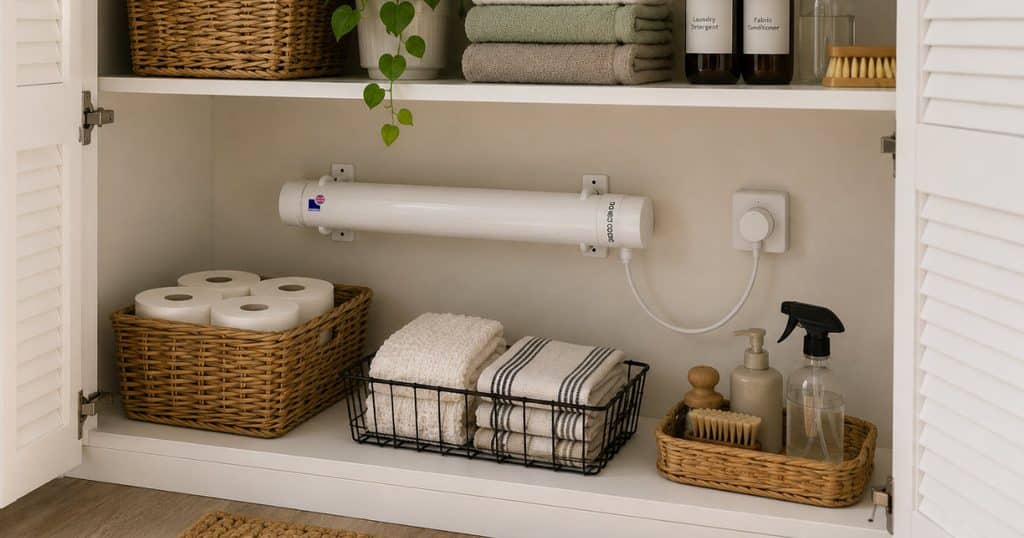
Simple, cost-effective background heat with IP55 protection. Available in 1ft, 2ft, 3ft, 4ft sizes.
Morris Thermostat Heat Range
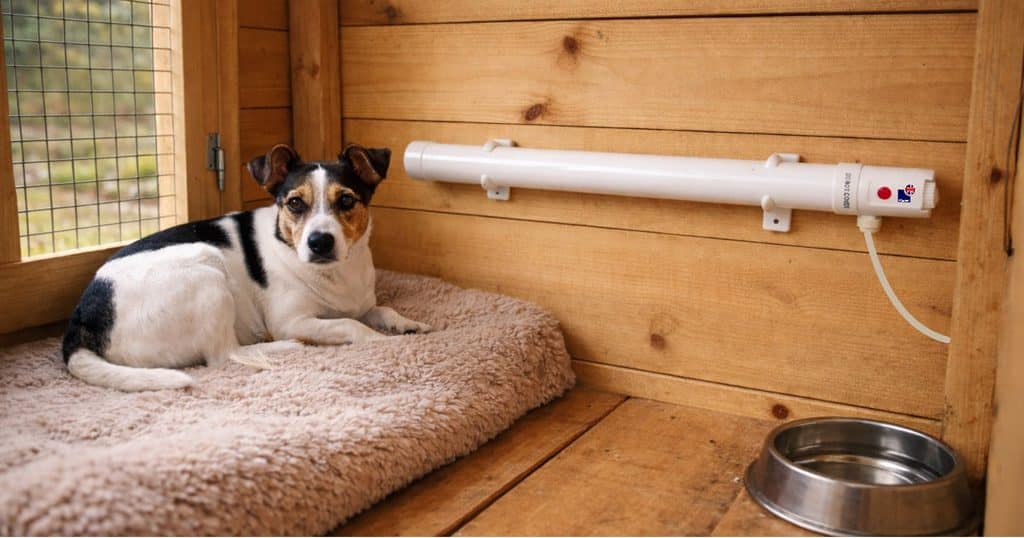
Includes adjustable thermostat, slimmer design, and automatic temperature control. Available in 1ft–4ft models.
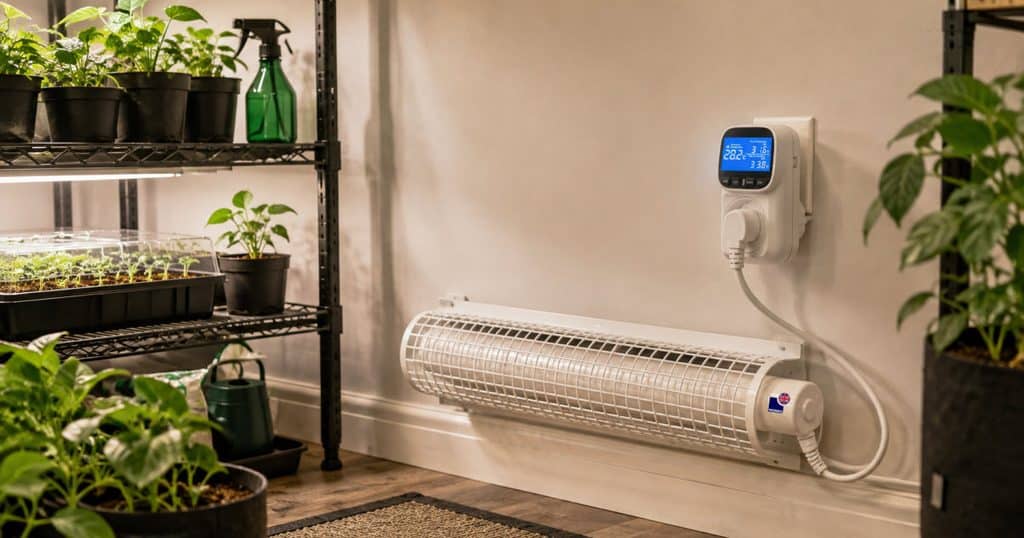
Morris Tube Heater Starter Kits
Complete sets with heater, guard and timer/thermostat for best value.
About the Author
Alexander Bevan – Indoor Climate Expert
This article was written by Alexander Bevan, an indoor climate specialist with years of experience advising homeowners and businesses on heating, comfort, air quality and energy efficiency.